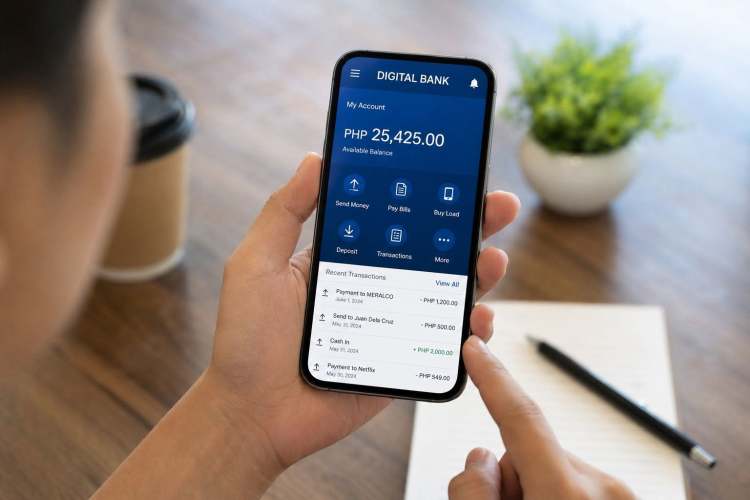
In recent years, digital banks have become one of the most significant developments in the Philippine financial sector. With the widespread use of smartphones and internet connectivity, more Filipinos are opening accounts, saving money, paying bills, and even applying for loans without ever stepping inside a traditional bank branch.
But what exactly are digital banks? Are they better than traditional banks? And what risks should consumers be aware of?
What Are Digital Banks?
Digital banks are banks that primarily operate through mobile apps and online platforms rather than through physical branches. In the Philippines, the Bangko Sentral ng Pilipinas has licensed several digital banks that are regulated just like traditional banks.
Examples include Maya Bank, GoTyme Bank, Tonik Bank, UNO Digital Bank, and OwnBank.
Unlike traditional banks that maintain numerous branches and large staffs, digital banks rely heavily on technology to provide services. Customers can usually open an account in minutes using their smartphone and a valid identification card.
Advantages of Digital Banks
1. Higher Interest Rates
One of the biggest attractions of digital banks is their relatively higher interest rates on savings accounts.
Traditional banks often offer very modest interest rates on regular savings accounts. Digital banks, having lower operating costs, can often pass some of these savings to customers through more competitive interest earnings.
For Filipinos trying to build an emergency fund or save for future goals, this can make a noticeable difference over time.
2. Convenience
Digital banking allows customers to manage their finances anytime and anywhere.
Instead of traveling to a branch, standing in line, and filling out forms, users can: transfer money, pay bills, monitor balances, open accounts, apply for loans, purchase investment products.
All of these can usually be done through a smartphone.
For people living in provinces or areas with limited banking infrastructure, digital banks can provide easier access to financial services.
3. Lower Fees
Because digital banks generally have lower overhead costs, they often charge fewer fees.
Many offer: no maintaining balance, free fund transfers,
low-cost transactions and no branch-related charges.
While policies vary among institutions, consumers often find digital banking more economical.
4. Financial Inclusion
Millions of Filipinos remain underbanked or unbanked. Digital banks help address this problem by making banking accessible to individuals who may not have easy access to physical branches.
A farmer in a rural town, a freelance worker, or a small online entrepreneur can now access banking services through a mobile phone.
5. Faster Innovation
Digital banks tend to introduce new features more quickly than traditional institutions.
Features such as instant account opening, real-time notifications, budget tracking tools, virtual debit cards and
automated savings goals can make money management simpler and more engaging.
Advantages of Traditional Banks
Despite the growing popularity of digital banks, traditional banks still offer important benefits.
Personal Service
Many customers appreciate face-to-face interaction, especially for complex financial matters such as mortgages, business loans, estate planning, and investment advice.
A knowledgeable bank officer can often provide guidance that an app cannot.
Established Reputation
Some traditional banks have operated for decades and have built strong reputations for stability and trustworthiness.
Customers often feel reassured knowing there is a physical branch they can visit if problems arise.
Broader Product Range
Large traditional banks frequently offer a wider range of services, including: corporate banking, wealth management, trust services,
foreign exchange operations and specialized lending products.
Risks of Digital Banks
While digital banks offer many advantages, they are not without risks.
1. Cybersecurity Threats
The biggest concern is cybercrime. Scammers may use phishing emails, fake websites, fraudulent text messages and social engineering tactics to trick users into revealing passwords, PINs, or one-time passwords (OTPs).
A single mistake can potentially lead to financial loss.
2. Dependence on Technology
Digital banks require reliable internet access and functioning mobile devices.
If the app crashes, the phone is lost or internet service is unavailable, *customers may experience temporary difficulties accessing their funds.
3. Digital Literacy Challenges
Not everyone is comfortable using financial technology.
Older individuals or those unfamiliar with digital platforms may find mobile banking confusing or intimidating.
4. Customer Service Limitations
Although many digital banks offer chat support and hotlines, some customers may find it frustrating when they cannot speak directly to a representative face-to-face.
Resolving certain issues may take longer compared to visiting a physical branch.
How to Use Digital Banks Safely
Consumers can reduce risks by following a few basic precautions:
*Use strong and unique passwords.
*Enable two-factor authentication.
*Never share OTPs with anyone.
*Verify website addresses carefully.
*Avoid clicking suspicious links.
*Regularly monitor account activity.
*Keep mobile apps updated.
*Use secure internet connections.
Most importantly, remember that legitimate bank employees will never ask for your password or OTP.
Finding the Right Balance
The debate between digital banks and traditional banks should not be viewed as an either-or choice. For many Filipinos, the best solution may be to use both.
A digital bank can be an excellent place for everyday savings, bill payments, and convenient transactions. A traditional bank may still be valuable for larger financial needs, business services, or situations where personal assistance is important.
Technology is transforming the way people manage money, and digital banks are likely to play an increasingly important role in the Philippine economy. However, convenience should always be balanced with caution.
The smartest users are not necessarily those who adopt the newest technology, but those who use it wisely, understand its risks, and take steps to protect themselves.
In the end, digital banks are powerful tools. Like any tool, their value depends on how responsibly they are used.