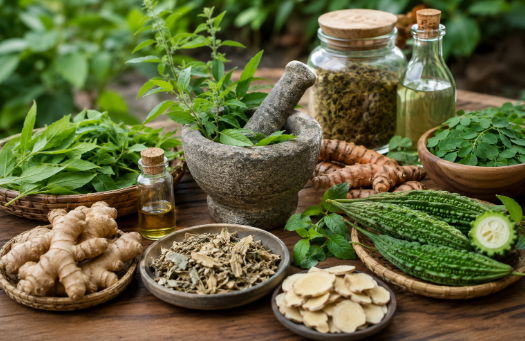
In recent years, herbal medicine has become increasingly popular in the Philippines. Many Filipinos use herbal remedies alongside conventional medical treatments, while others rely on them as their primary form of healthcare. This growing interest is driven by cultural traditions, increasing health awareness, and the desire for more natural approaches to wellness.
While herbal medicine offers several potential benefits, it is important to understand that it also carries risks. Like any form of treatment, herbal remedies should be used wisely and responsibly.
## What Is Herbal Medicine?
Herbal medicine refers to the use of plants or plant-derived substances to prevent, manage, or treat health conditions. These remedies may come in the form of teas, capsules, powders, oils, extracts, or fresh plant materials.
In the Philippines, commonly used medicinal plants include:
* Lagundi
* Sambong
* Ampalaya
* Moringa
* Tsaang Gubat
* Yerba Buena
Many of these plants have been used for generations and are recognized by Philippine health authorities for certain traditional uses.
Benefits of Herbal Medicine
1. Accessibility and Affordability
One of the biggest advantages of herbal medicine is that many medicinal plants can be grown at home or obtained at relatively low cost.
For families with limited financial resources, herbal remedies may provide an affordable option for managing minor health concerns.
2. Cultural Familiarity
Traditional herbal medicine is deeply rooted in Filipino culture. Many families have passed down knowledge of medicinal plants from one generation to another.
This cultural familiarity often increases people’s confidence and comfort in using herbal remedies.
3. Potential Therapeutic Benefits
Scientific research has shown that some medicinal plants contain compounds that may help address certain health problems.
Examples include:
* Lagundi is often used for coughs and mild respiratory symptoms.
* Sambong is commonly used to support urinary health.
* Ampalaya has been studied for its possible effects on blood sugar levels.
* Malunggay contains vitamins, minerals, and antioxidants.
These benefits explain why some herbal products are incorporated into health programs and research initiatives.
4. Encourages Preventive Health
Many people who use herbal medicine also become more conscious of their overall lifestyle, including diet, exercise, and stress management.
In this way, herbal medicine may encourage a broader focus on preventive health.
5. Fewer Side Effects in Some Cases
Certain herbal remedies may cause fewer side effects than some pharmaceutical medications when used appropriately.
However, “natural” does not automatically mean “safe,” which leads us to the potential risks.
Risks and Limitations of Herbal Medicine
1. Lack of Scientific Evidence
While some herbs have been studied extensively, many others have limited scientific support.
A remedy that has been traditionally used for generations may not necessarily be effective for every condition.
2. Delayed Medical Treatment
One of the greatest dangers occurs when people rely solely on herbal remedies for serious illnesses.
Conditions such as cancer, heart disease, stroke, severe infections, and diabetes often require professional medical care. Delaying treatment can allow diseases to worsen.
3. Side Effects and Allergic Reactions
Herbal products can cause:
* Allergic reactions
* Stomach upset
* Skin irritation
* Dizziness
* Liver or kidney problems in some cases
Individuals may react differently to the same herbal preparation.
4. Drug Interactions
Some herbs can interact with prescription medications.
For example, certain herbal products may affect blood pressure medicines, diabetes medications, or blood thinners.
This can increase side effects or reduce the effectiveness of treatment.
5. Quality and Safety Concerns
Not all herbal products are manufactured under strict quality standards.
Problems may include:
* Incorrect labeling
* Contamination
* Adulteration
* Variable strength and potency
Consumers should purchase products only from reputable sources.
Using Herbal Medicine Responsibly
To use herbal medicine safely:
* Consult a healthcare professional before starting any herbal treatment.
* Inform your doctor about all herbs and supplements you are taking.
* Follow recommended dosages.
* Avoid replacing prescribed medications without medical advice.
* Be cautious of products that claim to cure multiple diseases.
* Purchase products from reputable manufacturers.
A Balanced Approach
The most sensible approach is not to view herbal medicine and conventional medicine as enemies. Instead, they can often complement one another when used appropriately and under professional guidance.
Modern medicine excels in treating many serious diseases and emergencies. Herbal medicine may offer supportive benefits for certain conditions and overall wellness. Combining traditional knowledge with scientific evidence can help people make better health decisions.
Final Thought
Herbal medicine remains an important part of Filipino culture and healthcare practices. It offers advantages such as affordability, accessibility, cultural acceptance, and potential therapeutic benefits. However, it also carries risks, including side effects, drug interactions, quality concerns, and the possibility of delaying proper medical treatment.
The key is balance. Herbal remedies should be approached with the same care and respect given to any form of medicine. Used wisely, they can play a valuable role in promoting health and well-being. Used carelessly, they can create unnecessary risks.
As the old saying reminds us, *”Natural does not always mean harmless, but informed use can make nature a valuable partner in health.”